FONDAZIONE MONDINO CONTRIBUTES TO BREAKTHROUGH IN MOLECULAR MECHANISMS OF ALS
Researchers at Fondazione Mondino IRCCS have played a key role in advancing our understanding of the molecular mechanisms underlying amyotrophic lateral sclerosis (ALS)—a neurodegenerative disease with limited treatment options. Their contributions are part of several high-impact studies revealing genetic and RNA-related processes crucial to disease progression.
A major milestone stems from a large international genome-wide association study (GWAS) involving over 29,600 ALS patients and 122,600 controls, which identified 15 genetic variants linked to ALS—7 of which are novel. This work reinforces ALS as a neuron-specific pathology involving disrupted vesicle transport and autophagy in glutamatergic motor neurons.
Aligned with this, Mondino’s Molecular Biology and Transcriptomics Unit focuses on studying RNA profiles—both messenger and non-coding RNAs—to discover biomarkers and therapeutic targets in neurodegenerative diseases, including ALS.
Additional insights into disease mechanisms include:
-
Discovery of altered RNA splicing involving the FUS gene. In preclinical ALS models, mis-splicing of the A2/B1 gene leads to cytoplasmic stress granule formation, marking a promising therapeutic target for antisense oligonucleotide (ASO) interventions.
-
Identification of the ASRGL1–TDP‑43 axis, where decreased ASRGL1 expression correlates with toxic deposits of TDP‑43—a hallmark of ALS pathology.
-
Recognition of unusual RNA structures (G-quadruplexes) from C9orf72 expansions that may seed protein aggregation, offering a novel molecular target .
These discoveries have practical implications: the European Medicines Agency recently approved Tofersen, an ASO targeting the SOD1 gene, and multiple clinical trials are underway for ASOs aimed at FUS and other mutant genes. Meanwhile, advances in AI-powered imaging and biomarker detection (e.g., neurofilament light chain, microRNAs) are improving early diagnosis and patient stratification.
Why this matters for medical tourists:
-
Cutting-edge research environment: Treatment at Mondino connects patients to a centre investing heavily in translational ALS science.
-
Precision therapies: Access to advanced molecular diagnostics and emerging ASO-based treatments.
-
Early intervention: Enhanced screening enhances eligibility and outcomes.
-
Expert network: Patients benefit from multidisciplinary care driven by innovation.
Fondazione Mondino’s molecular research places it at the heart of next-generation ALS care, offering international patients both clinical excellence and access to emerging precision treatments rooted in the latest science.
References: Mondino’s News
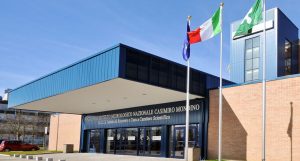
Every year, the Mondino takes care of 100.000 patients, performs 105.000 outpatient treatments, with 4.000 admissions.
This year, the Mondino Foundation reaches its 52nd anniversary since its first recognition as a Scientific Institute for Hospitalization and Treatment, which dates back to 1973, crowning and continuing its century-long tradition as a center dedicated to teaching, care and research in the fields of nervous system disorders, neuroscience and neurorehabilitation.
LEARN MORE
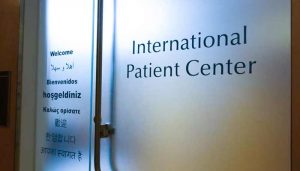 For patients coming from abroad, the Fondazione Mondino’s International Department organises an all inclusive service, making travel arrangements for patients and their companions, to ensure that their journey is safe and comfortable, and also managing the pre-treatment and the after-care processes. All this is possible thanks to a network of contacts in the various countries of origin and the availability of telemedicine facilities.
The Fondazione Mondino is well aware of the difficulties that can be encountered when seeking to obtain medical care in another country, and in a foreign culture. Supported by TMI, a medical tourism company whose mission is to be a point of reference in matching patient needs with the right healthcare facilities, the all-inclusive “door2door” service allows us to support our patients every step of the way: with the initial treatment plan and quotation requests, on their arrival in Italy through to their departure, and, through the network of contacts, also during the follow-up in their own country. Patients can be assured that they will feel “at home” at every stage of the treatment.