EARLY DIAGNOSIS AND ARTIFICIAL INTELLIGENCE: NEW TECHNOLOGIES AND RESEARCH ON AUTISM

Autism spectrum disorders (ASD) manifest in the early months of life; however, they are often diagnosed at a later stage, by which time they may have already caused significant impairments in personal and social neurodevelopment. Early diagnosis is strongly associated with better outcomes, yet the diagnostic process for ASD remains lengthy and challenging.
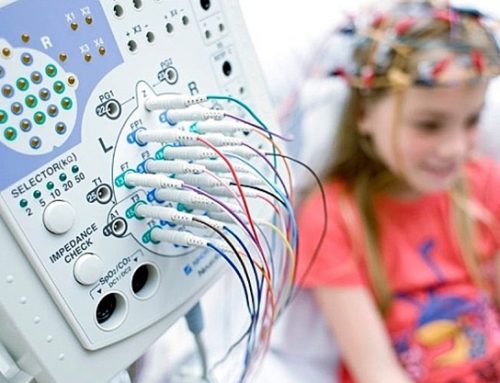
Artificial intelligence (AI) is increasingly being applied to diagnostic and therapeutic approaches for autism management. This is primarily due to the condition’s extreme complexity, which makes traditional statistical methods inadequate, and the rapid expansion of big data, which cannot be effectively processed through conventional means. The vast amount of data generated from various omics sciences, as well as digital investigations such as imaging and electroencephalography (EEG), requires the use of advanced AI models such as convolutional neural networks and deep learning to enable meaningful interpretation and insights.
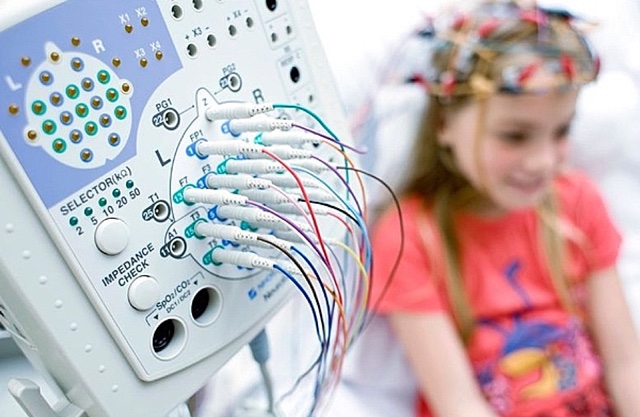
Significant evidence suggests that the early prediction of autism on an individual level is feasible, as demonstrated by numerous international studies published in recent years. Among the most promising diagnostic tools currently available are EEG data—where groundbreaking research has been conducted at Villa Santa Maria—neuroimaging, common genetic variants, and pregnancy-related risk factors.
A recent comprehensive review identified over 300 studies involving more than 186,000 participants, analyzing nine different types of data using AI technologies. Studies based on EEG data have shown the highest predictive accuracy, ranging between 85% and 93%.
In addition, research conducted by Professor Idan Menashe, Director of the Azrieli National Center for Autism and Neurodevelopment Research and the Department of Epidemiology, Biostatistics, and Community Health Sciences at Ben-Gurion University of the Negev in Israel, has indicated the potential to detect early indicators of autism even during the prenatal stage.
An increasing body of evidence supports the hypothesis that autism spectrum disorders may originate during fetal development. However, robust data on fetal anomalies linked to autism remain limited.
Professor Menashe’s research utilizes ultrasound imaging to analyze fetal development during pregnancy, with the objective of identifying possible anomalies associated with autism. Prenatal ultrasound data of children later diagnosed with autism were compared to their typically developing siblings and to children from the general population, matched for birth year, sex, and ethnicity.
Findings from fetal ultrasound data collected during the second and third trimesters of gestation, provided by the Clalit Health Services (CHS) in southern Israel, revealed that fetuses later diagnosed with autism, as well as their typically developing siblings, exhibited smaller head sizes during the second trimester compared to the general population. However, while typically developing siblings experienced catch-up growth during the third trimester, fetuses later diagnosed with autism continued to show relatively smaller head sizes.
Moreover, ultrasound-detected fetal anomalies (UFA), encompassing both structural abnormalities and soft markers, were found to be significantly more prevalent in those later diagnosed with autism, with anomalies predominantly affecting the urinary system, heart, and brain.
These findings provide valuable insights into the potential presence of fetal anomalies linked to autism spectrum disorders. If validated by further research, they could serve as a foundation for future prenatal screening programs, offering earlier and more precise identification of ASD risk factors.
References: Villa Santa Maria News
 Villa Santa Maria works to ensure patients excellent services, with the highest standards of quality and professionalism. Thanks to this new technology, the Clinic can offer comprehensive procedures at the Neurophysiopathology laboratory (the study of nervous system function), with the highest diagnostic levels.
Areas of intervention: Physiotherapy, Neuropsychomotricity, Speech Therapy, Educational-Rehabilitation Intervention, Music Therapy, Specialised Teaching, Water Therapy, Adaptive Sport.