HUMANITAS LAUNCHES CLEM LAB: A CELLULAR CT FOR ADVANCED MEDICAL RESEARCH
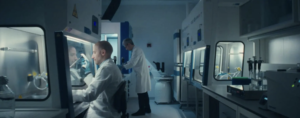
In June 2025, Humanitas inaugurated a state-of-the-art imaging laboratory at its Roberto Rocca Innovation Building in Milan, marking a significant advancement in medical research. This facility houses the Correlative Light and Electron Microscopy (CLEM) platform, a pioneering technology that combines optical and electron microscopy to create a comprehensive, 4D (space + time) visualization of cellular processes. It’s the first of its kind in Italy and among the few in Europe integrated within a research hospital.
The CLEM platform enables researchers to observe live cellular activities through fluorescence microscopy and examine detailed internal structures via electron microscopy. This dual approach allows for a holistic view of cellular mechanisms, facilitating a deeper understanding of disease origins and progression.
A key feature of this technology is cryo-microscopy, which rapidly freezes biological samples to preserve their natural state, preventing ice crystal formation that could distort structural integrity. This technique, coupled with Volume Electron Microscopy, provides ultra-high-resolution, three-dimensional images of cellular components, akin to transitioning from a flat map view to an immersive street-level perspective.
To manage and analyze the vast amounts of data generated, Humanitas has enhanced its High-Performance Computing (HPC) infrastructure. This system employs advanced artificial intelligence algorithms to process and quantify imaging data, offering clinicians precise, data-driven insights for personalized treatment strategies.
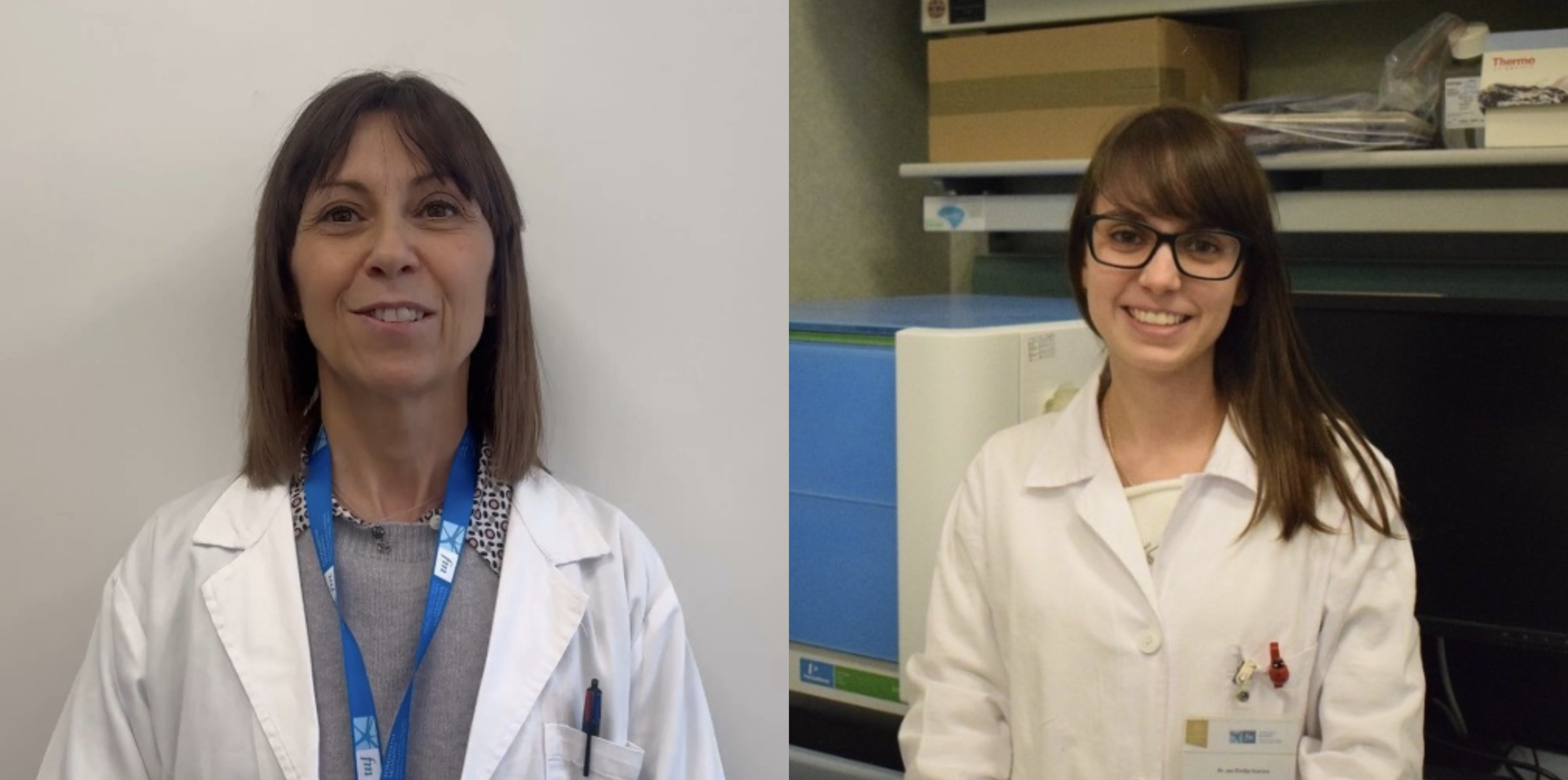
The CLEM laboratory is directed by Dr. Edoardo D’Imprima, who returned from the European Molecular Biology Laboratory (EMBL) in Heidelberg to lead this initiative. His expertise bridges the gap between structural biology and medical applications, aiming to translate microscopic discoveries into tangible clinical benefits.
This facility is part of a broader commitment by Humanitas to integrate cutting-edge technologies into clinical research. Adjacent to the CLEM lab, the 3D Innovation Lab focuses on 3D modeling, printing, and biofabrication, while new clinical imaging technologies, including a photon-counting CT scanner and a 3 Tesla MRI, have been introduced to enhance diagnostic capabilities in cardiology, neurology, oncology, and pulmonology.
Why this matters for medical tourists:
-
Advanced Diagnostics: Access to innovative imaging technologies for comprehensive disease assessment.
-
Personalized Treatment: Data-driven insights leading to tailored therapeutic approaches.
-
Cutting-Edge Research: Participation in clinical studies utilizing the latest scientific advancements.
-
Expert Care: Treatment by a multidisciplinary team at the forefront of medical innovation.
Humanitas continues to set new standards in medical research and patient care, offering international patients access to groundbreaking technologies and expertise.
References: Humanitas News
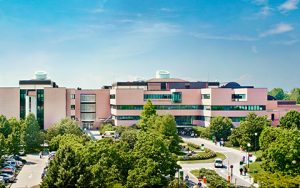
Humanitas is a highly specialized teaching and research hospital.
It combines specialized centers for the treatment of cancers, cardiovascular diseases, neurological and orthopedic disorders, as well as an Ophthalmology Centre and a Fertility Center. 118 Operation Theatres, 110,000 Annual surgeries, 3,400 Physicians, 190,000 Annual Inpatient Admissions, 14,000,000 Annual Outpatient Visits.
Humanitas also operates a highly specialized Emergency Department.
LEARN MORE
 The International Department of Humanitas Research Hospital has helped over 20.000 people from over 150 nations to receive exceptional medical care, offered by world-level doctors that use state-of-the-art technology and follow the latest care protocols. The goal of the Department is to ensure that international patients have comfortable and stress-free stay at our Hospital. To this end, we offer continued organizational, language, and psychological support and provide interpreters, night nurses, remote 24h translation services, medical reports in patients’ native languages, and other services, which facilitate our patients’ treatment and recovery.
Note, that Humanitas Research Hospital holds contractual provider agreements with numerous international insurance companies. Therefore, if you have a medical plan with one of these insurers, you can receive medical care at Humanitas without bearing the cost, by letting your insurer cover the expenses.
Humanitas International Department is the reference point for non-Italian patients throughout the entire course of treatment, acting as your care tutor.