GRUPPO SAN DONATO: NEW ROBOT FOR ASSISTED SURGERY AT POLICLINICO SAN MARCO
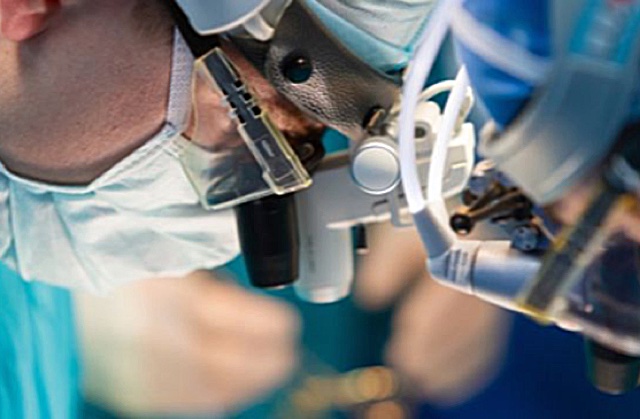
Policlinico San Marco has recently acquired one of the latest technological innovations in the field of surgery: the Hugo RAS (Robotic Assisted Surgery) system, a state-of-the-art robotic system that ranks among the most advanced available worldwide.
The system will be used for general, oncological, and bariatric surgery, as well as for urological procedures related to both benign and malignant conditions, offering enhanced precision, reduced invasiveness, and faster post-surgical recovery.
We discussed this advancement with Professor Stefano Olmi, Head of the General and Oncological Surgery Unit and the Obesity Surgery Center at Policlinico San Marco.
How the New Robotic System Works
The Hugo RAS system, which integrates cutting-edge and innovative technologies, consists of:
- Flexible, modular robotic arms, which operate on the surgical field under the guidance of the surgeon through a console located a few meters away in the operating room;
- A powerful 3D magnification system, which enhances the surgical images up to ten times, ensuring exceptional levels of precision and accuracy.
Advantages of Using the Robotic System
“Robotic surgery will allow us to further improve:
- The effectiveness and safety of procedures;
- The speed of post-surgical recovery;
- Clinical outcomes and patients’ quality of life.
This advancement will help us strengthen our position as a national reference center for surgery,” says Professor Stefano Olmi.
Furthermore, this robotic system enables the treatment of even the most complex cases, significantly reducing both intraoperative and postoperative surgical trauma for patients.
However, it is important to emphasize that the robot does not replace the surgeon. The specialist remains in control at all times, guiding the robotic arms, which enhance the precision and accuracy of surgical gestures, supported by the magnified visualization of the surgical field.
The benefits of robotic-assisted surgery include:
- Faster patient recovery;
- Reduced pain, smaller incisions, and minimized blood loss;
- Shorter hospital stays.
In oncology, the system provides an additional advantage by:
- Allowing for the precise removal of cancerous masses;
- Preserving surrounding healthy tissues.
Conditions That Can Be Treated
“In the field of general surgery, the latest generation of robotic-assisted laparoscopic surgery is effectively used for the treatment of:
- Esophageal and gastric conditions, including tumors, hiatal hernias, gastroesophageal reflux disease, and achalasia;
- Colorectal conditions, such as tumors, diverticular disease, and rectal prolapse;
- Gallbladder diseases;
- Hernia repairs, including abdominal wall hernias, inguinal hernias, rectus diastasis, and umbilical hernias.
Additionally, robotic-assisted surgery offers excellent applications in bariatric surgery,” explains Professor Olmi.
In urology, robotic-assisted surgery is primarily used for the treatment of neoplasms such as:
- Prostate cancer;
- Kidney, ureter, and bladder tumors.
Compared to traditional open surgical techniques, robotic surgery achieves significant improvements, particularly in the early recovery of urinary continence and sexual function.
References: Press release

With 56 location, 4,7 Mln patients per year, 7,100 doctors, 5,500 beds, more than 400 University professors, 3,200 scientific publications per year, Gruppo San Donato is the number 1 hospital group in Italy.