STROKE: KEY DISCOVERY ON BODY PERCEPTION IN PATIENTS OPENS NEW REHABILITATION OPPORTUNITIES – A STUDY BY OSPEDALE NIGUARDA AND THE UNIVERSITY OF PAVIA
Cutaneous temperature and the perception of thermal stimuli are key elements in the construction of body self-awareness, according to a study recently published in Nature Communications by specialists from Ospedale Niguarda in Milan. These findings open new avenues for understanding and rehabilitating patients affected by stroke.
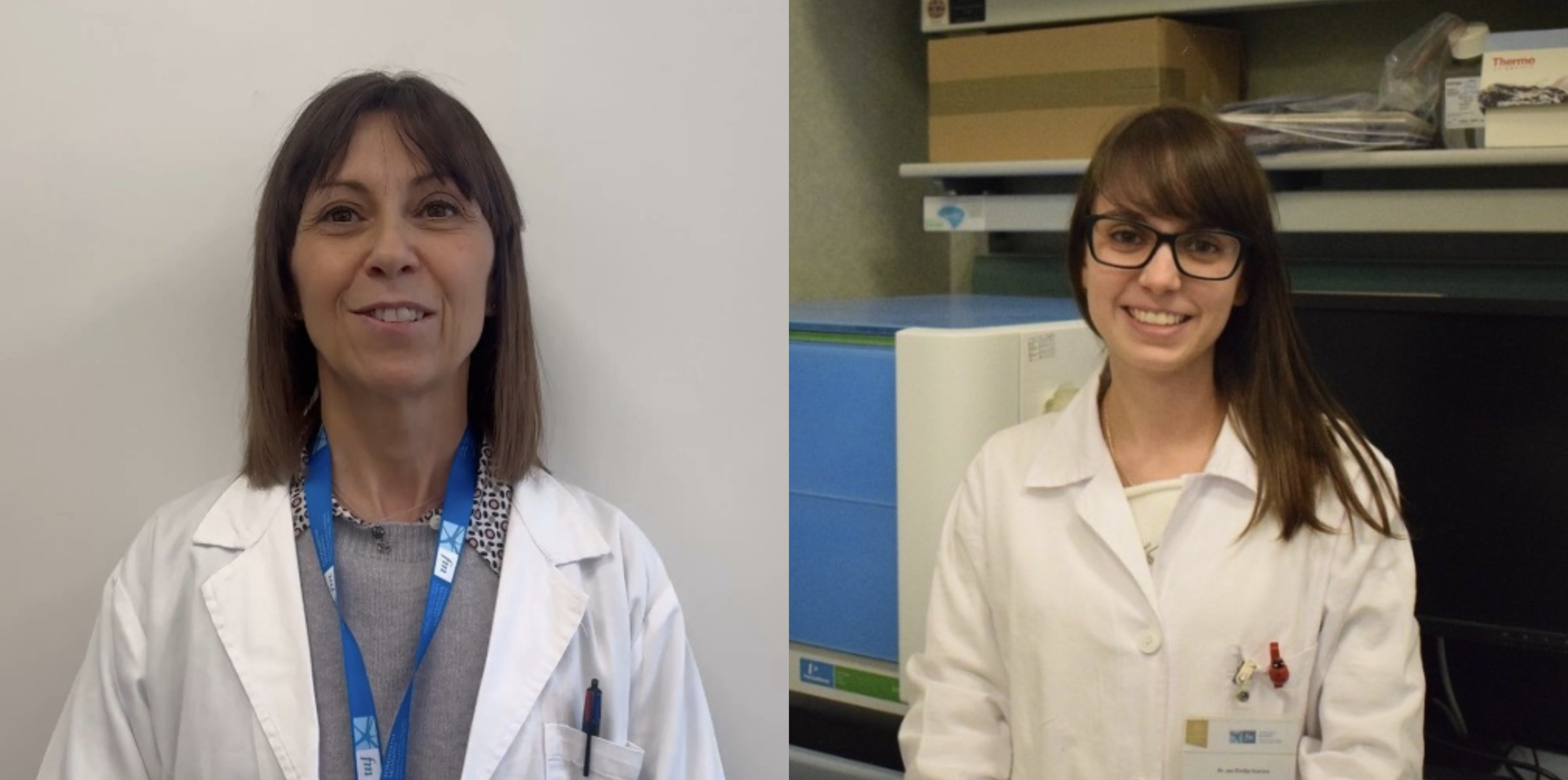
The study was conducted through a collaboration between the Department of Neuroscience, Head and Neck at Niguarda and researchers from the University of Pavia. Specifically, the clinical research was carried out through an interdisciplinary effort involving the Cognitive Neuropsychology Center, led by Gabriella Bottini, the Neurology and Stroke Unit, directed by Maria Sessa, and the Neuroradiology Department, under the leadership of Mariangela Piano.
The results demonstrate that brain lesions caused by stroke, affecting the insular and parietal areas and their connections, are associated with a lower temperature in the upper limb that patients no longer recognize as their own, along with a reduced ability to perceive heat and cold in the same arm.
“This discovery is significant,” states Gabriella Bottini, head of the Cognitive Neuropsychology Center at Niguarda, “as it was previously believed that the sense of ownership of one’s limbs—a complex cognitive function that we take for granted—depended solely on the integration of tactile, visual, proprioceptive, and motor stimuli. Our study, however, demonstrates that thermal sensory stimuli also play a fundamental role in making us understand that our hands, and our bodies more generally, belong to us.”
To investigate how thermal sensory stimuli influence self-perception, researchers studied patients with body perception deficits resulting from right hemisphere stroke, presenting a specific symptom following this acute event.
“The patients analyzed no longer recognize their left hand as part of their own body, a condition technically known as Disturbed Sensation of Limb Ownership,” explains Gerardo Salvato, researcher at the Cognitive Neuropsychology Center at Niguarda and the University of Pavia.
“We discovered that, compared to patients with right hemisphere stroke but without alterations in hand perception, those affected by this condition exhibited significantly lower temperature in the affected limb and a reduced perception of heat and cold. This suggests a direct link between thermal sensory signals and the sense of body ownership.”
In particular, the thermal sensory alterations were associated with lesions in the insular and parietal regions, as well as their disconnections in the right hemisphere, highlighting the crucial role of these brain areas in maintaining body ownership perception through thermal sensory signals.
Study Methodology and Rehabilitation Implications
The experimental protocol, conducted on 45 patients treated at Ospedale Niguarda, included CT or MRI scans to map brain lesions, as well as measurements of cutaneous temperature and local thermosensory abilities.
The study’s findings have important practical implications. Researchers explain that rehabilitation approaches involving thermal sensory stimulation training could potentially treat symptoms related to the misrecognition or loss of awareness of body parts.
Such a non-invasive and easily applicable treatment could restore self-awareness, a crucial component in encouraging patients to actively participate in motor rehabilitation programs, ultimately facilitating better recovery of their functional autonomy.
Original Study
The contribution of cutaneous thermal signals to bodily self-awareness
Authors: Gerardo Salvato, Paul Mark Jenkinson, Manuela Sellitto, Damiano Crivelli, Francesco Crottini, Teresa Fazia, Silvia Amaryllis Claudia Squarza, Mariangela Piano, Maria Sessa, Martina Gandola, Aikaterini Fotopoulou, Gabriella Bottini
References: Press Release – Niguarda Hospital

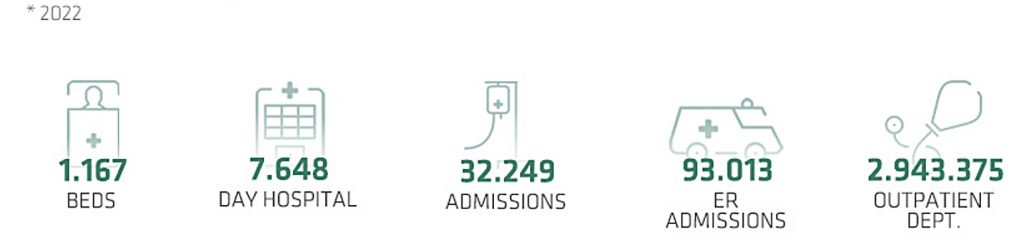
General Hospital Niguarda offers a comprehensive range of medical services for both adults and children. The hospital employs a fully-integrated medical approach that covers all medical disciplines and technologies, from diagnosis to rehabilitation, thus ensuring the highest standards of care, even in the most complex or emergency situations. His team of highly skilled physicians, scientists, and nursing staff work collaboratively to provide the best possible treatment and outcomes.
The Niguarda Renovation Project, which started in 2007 and concluded in early 2014, established an innovative healthcare system that prioritised patient-centric care and optimised efficiency for intense care.
LEARN MORE
 As a General Hospital, Niguarda hosts all the disciplines for adults and children. All medical disciplines and technologies, from diagnosis to rehabilitation, are integrated aiming at serving the best care even in situations of emergency or high complexity. Physicians, scientists and nurse staff have skills to work together.
Niguarda Hospital’s exceptional standards have been recognized and honored this year by Newsweek, an American magazine that annually evaluates and publishes a list of the world’s best hospitals, assessing over 2,300 facilities in 28 countries. The hospital is currently the highest ranked public hospital in Italy and the second highest when private healthcare facilities are taken into account.
There are only 13 Italian hospitals in the world’s top 250. And thanks to its commitment, research activity, the latest technology and the contribution of its 5,000 professionals, Niguarda Hospital has climbed to 60th place on the “Best Hospital 2023” list.
The Newsweek’s ranking of the Niguarda General Hospital
Here are the specialities for which Niguarda Hospital has been ranked among the best specialized hospitals in the world:
– Obstetrics and Gynaecology: 16th in the world, 2nd in Italy
– Gastroenterology: 39th in the world, 3rd in Italy
– Oncology: 49th in the world, 5th in Italy
– Neurosurgery: 67th in the world, 3rd in Italy
– Cardiology: 68th in the world, 6th in Italy
– Neurology: 78th in the world, 5th in Italy
– Urology: 114th in the world, 6th in Italy
– Cardiac surgery: 145th in the world, 10th in Italy
– Endocrinology: 148th in the world, 9th in Italy
– Paediatrics: 201st in the world, 8th in Italy